Core setup
- Choose modalities for a specific research hypothesis.
- Define clock alignment, coordinate calibration and stream association.
- Maintain data versions and common training and evaluation splits.

Solutions
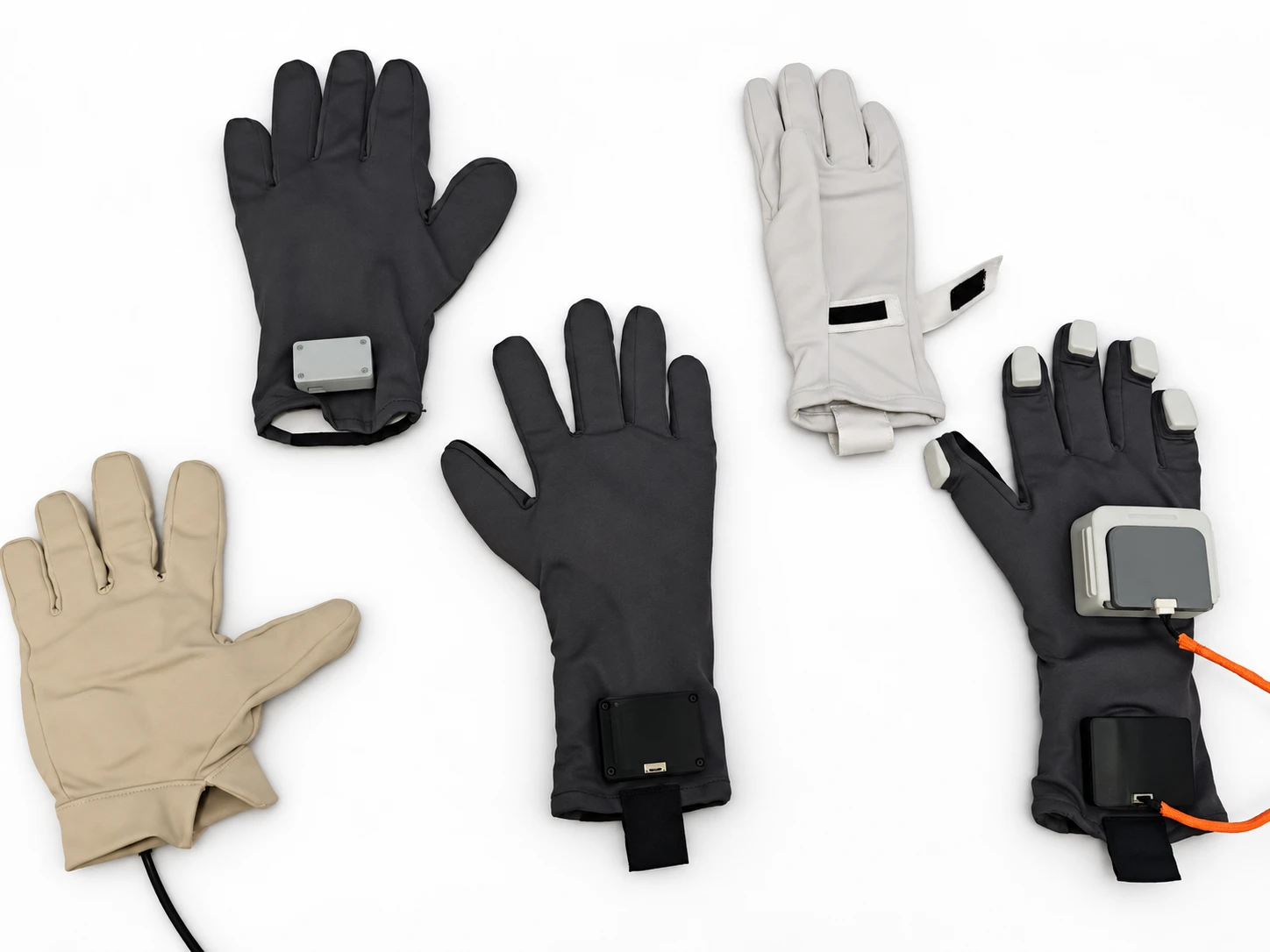
Bring vision, tactile sensing, hand pose, FMG + IMU and robot state into a shared experiment. Align timing and data versions, then use controlled comparisons to test whether added signals improve manipulation.
Multimodal learning, dexterous manipulation and joint data-model research
Device clocks, rates, coordinate frames, extrinsics, alignment method and measured errors.
Raw observations, algorithm estimates, human annotations and robot action labels kept distinct.
Compare vision-only, individual added signals and combined inputs on the same task and split.
Benefits, failure conditions and performance across participants, dates and scenes, with the next collection requirements.
Check timing and completeness before offline metrics. Claims about better robot performance require controlled physical tests; gesture-recognition scores are not task success rates.
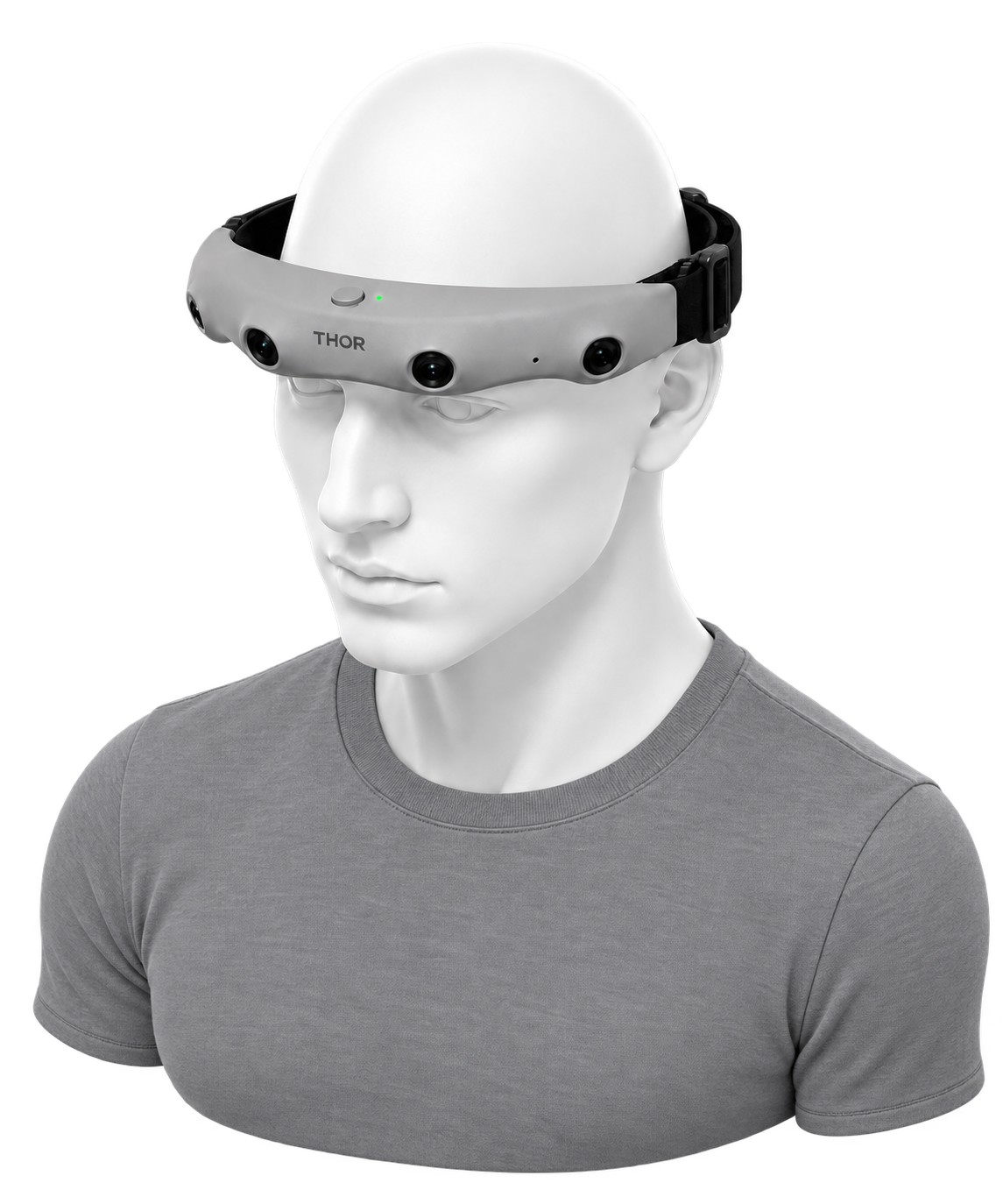
Capture / Specification-based configuration
Four-camera visual-inertial capture
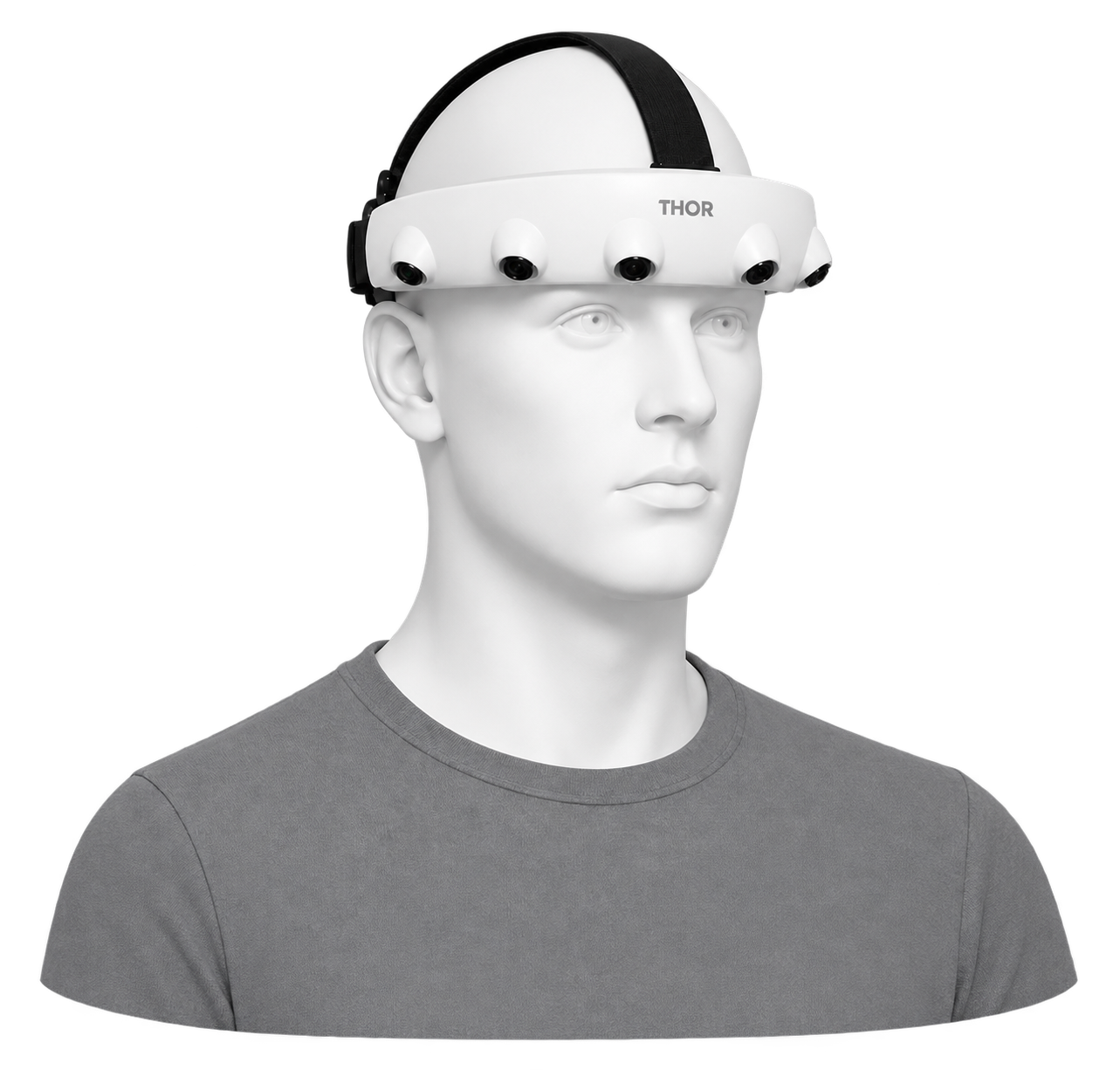
Capture / Specification-based configuration
Six-camera visual-inertial capture
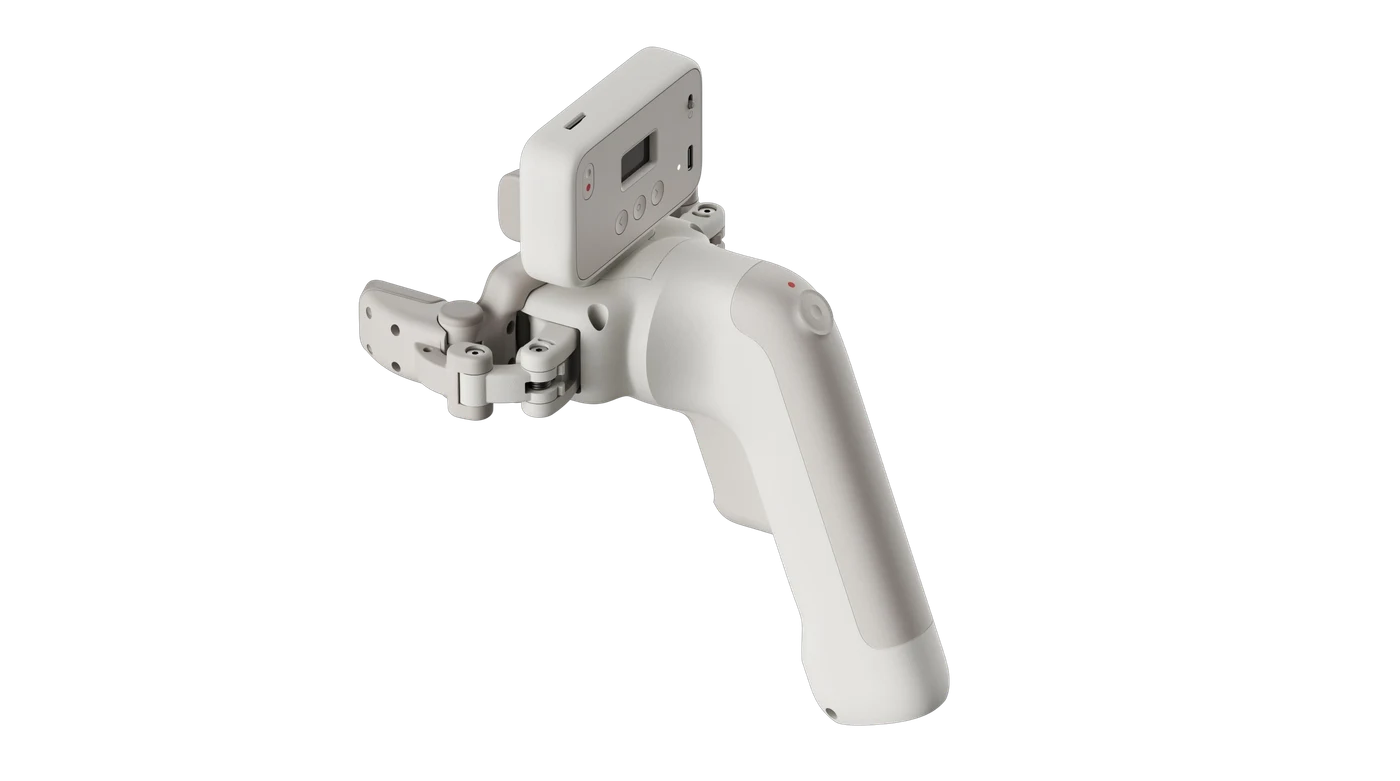
Capture / Specification-based configuration
Handheld manipulation demonstrations
Capture / Specification-based configuration
Contact sensing and electromagnetic tracking
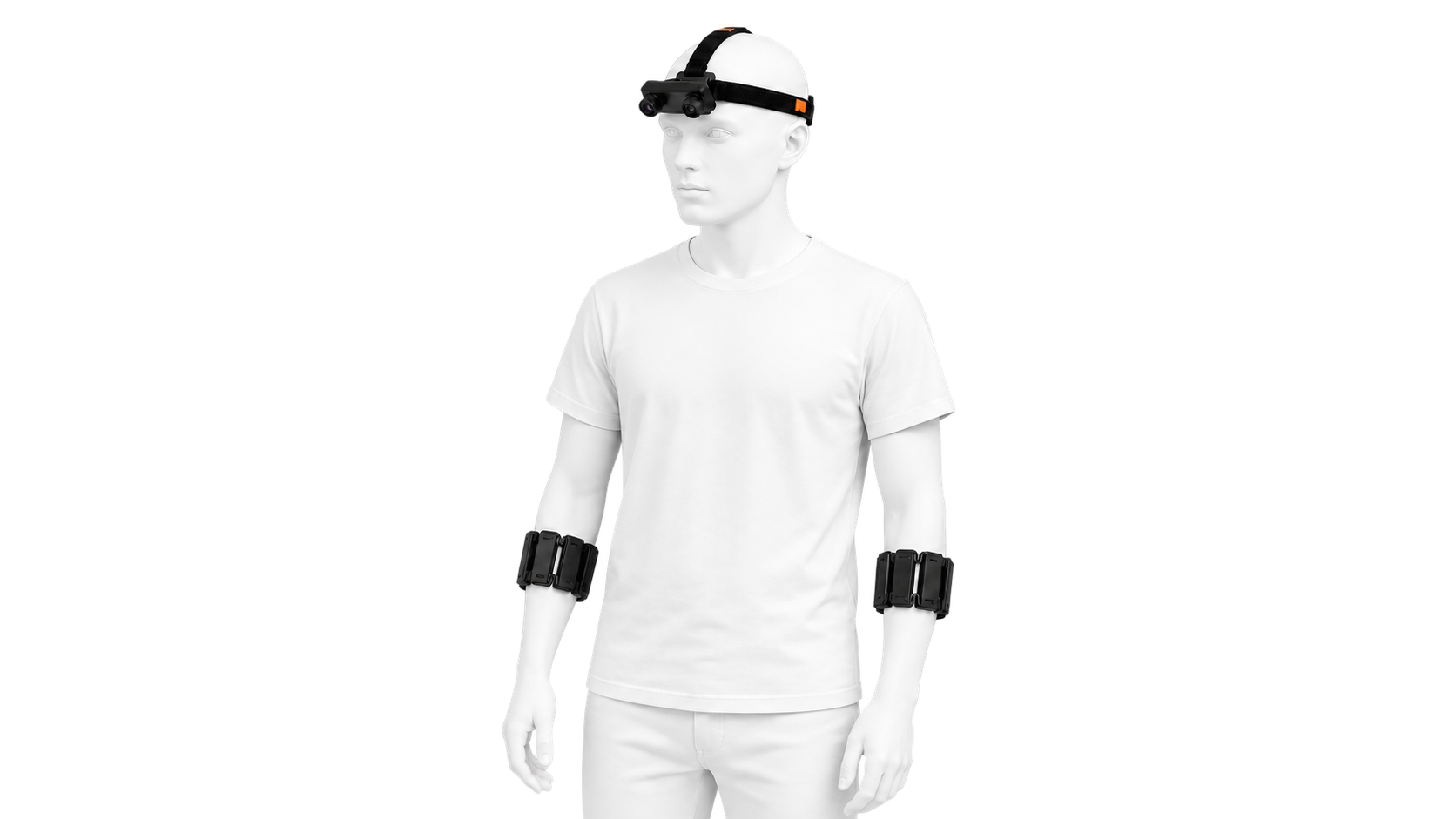
Capture / Research validation
Forearm sensing for multimodal research
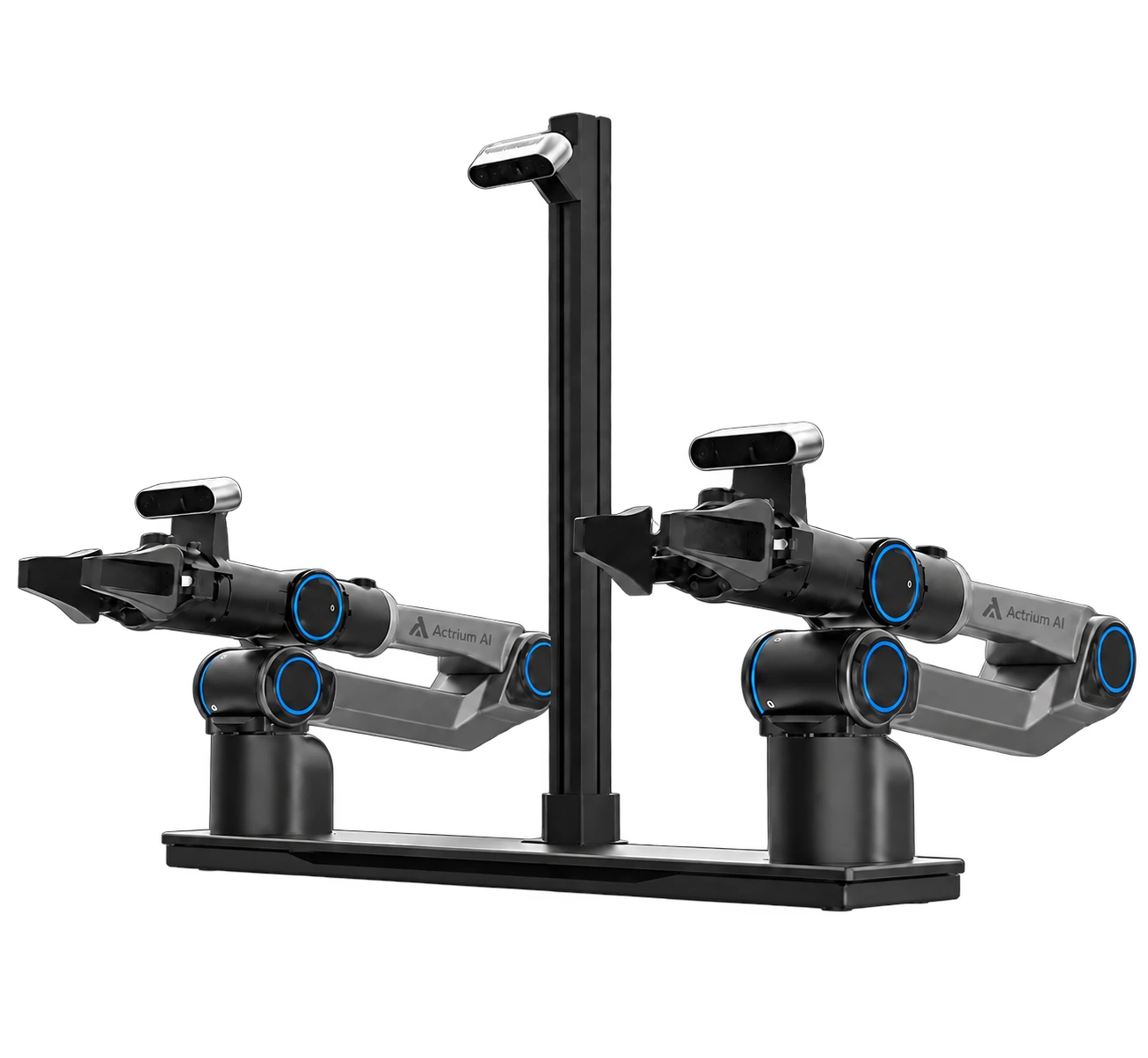
Robotics / Project configuration
Desktop bimanual learning platform
FMG records pressure patterns associated with muscle deformation. It is not EMG or direct contact-force measurement. The benefit of an added modality is a hypothesis to test.
Build with Actrium
Define the devices, data and evaluation your project needs.