Core setup
- Select Thor-Duo / Quad / Hex for the field of view and synchronization requirements.
- Choose UMI or tactile gloves for the manipulation task.
- Size the collection workstation, storage and calibration tools for throughput.

Solutions
Build task-specific collection protocols, quality thresholds and delivery formats for first-person demonstrations, contact and motion signals. Equip your own team or organize collection and dataset delivery as a project.
Human demonstrations, enterprise data delivery and proprietary datasets
Task definitions, action segments, scene variables, device and calibration versions, and failure-sample rules.
Raw recordings, timestamps, calibration and task metadata; annotations and estimates stored separately.
Completeness, dropped frames, timing deviations, coverage and sample-review findings for each batch.
Versions, file lists, checksums, field dictionary, usage rights and rejected-sample handling.
Approve a pilot batch before scaling. Measure accepted episodes, usable duration or completed-task samples; total recording hours are not automatically training-ready data.
Capture / Specification-based configuration
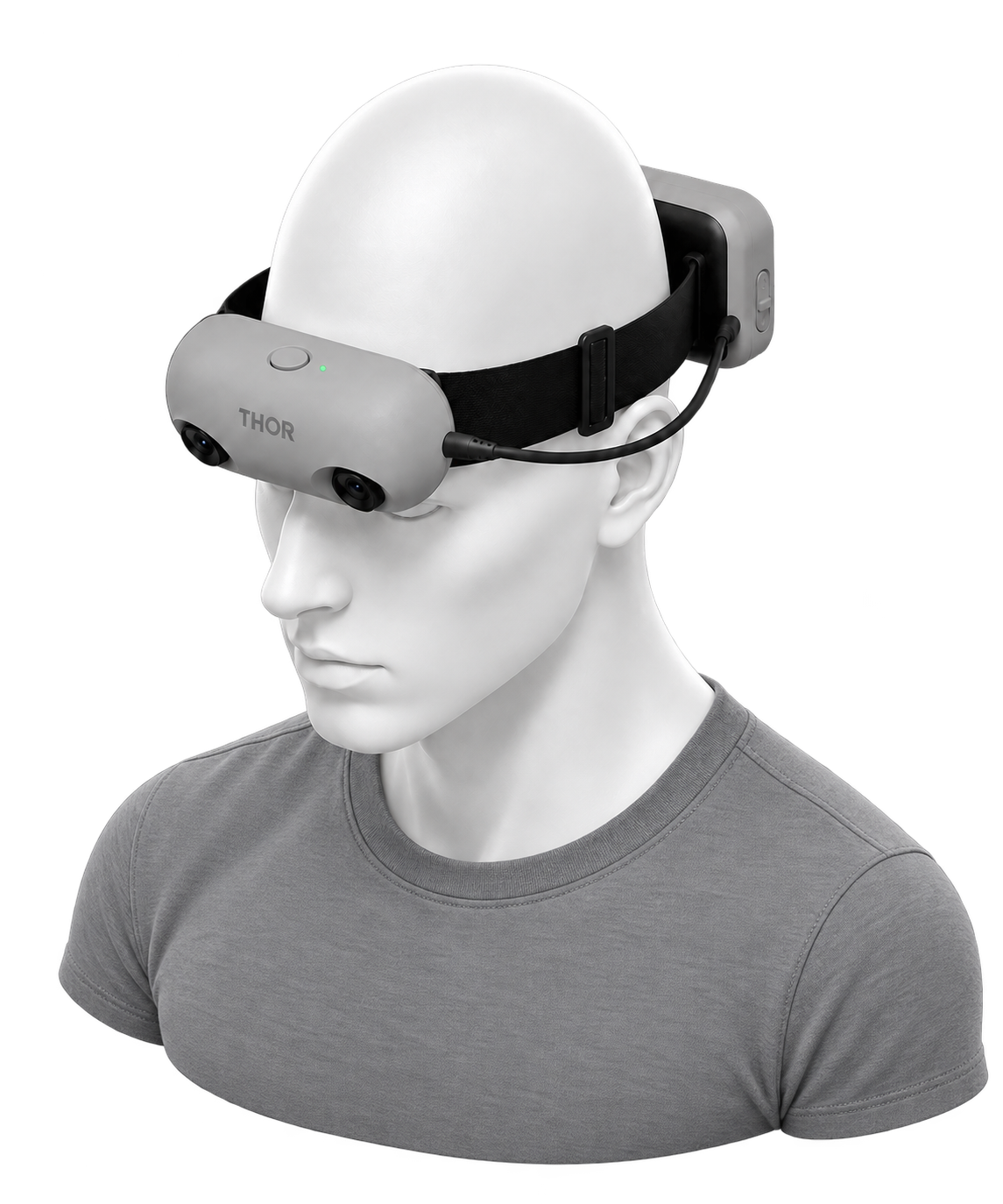
Dual-camera visual-inertial capture
Capture / Specification-based configuration
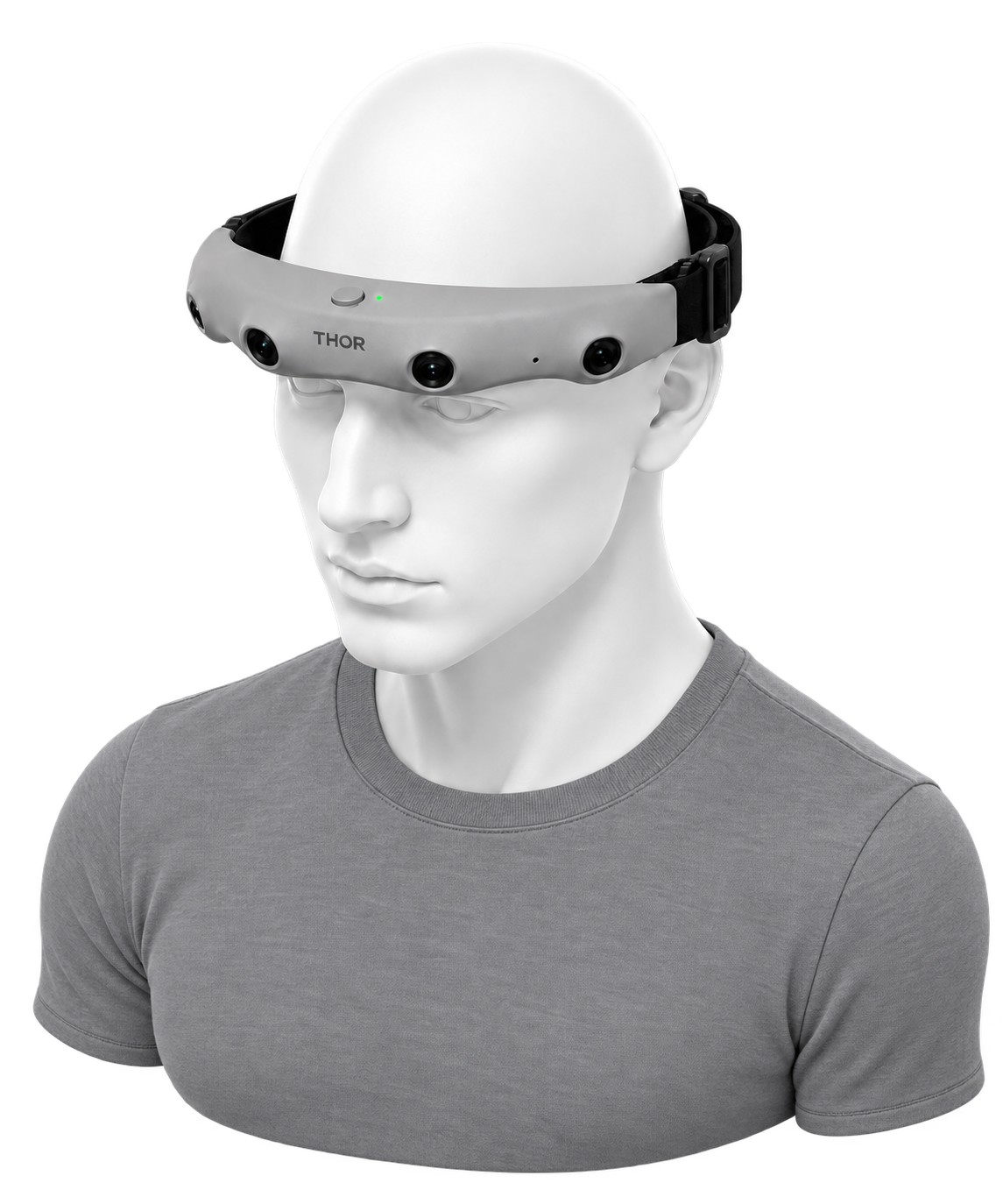
Four-camera visual-inertial capture
Capture / Specification-based configuration
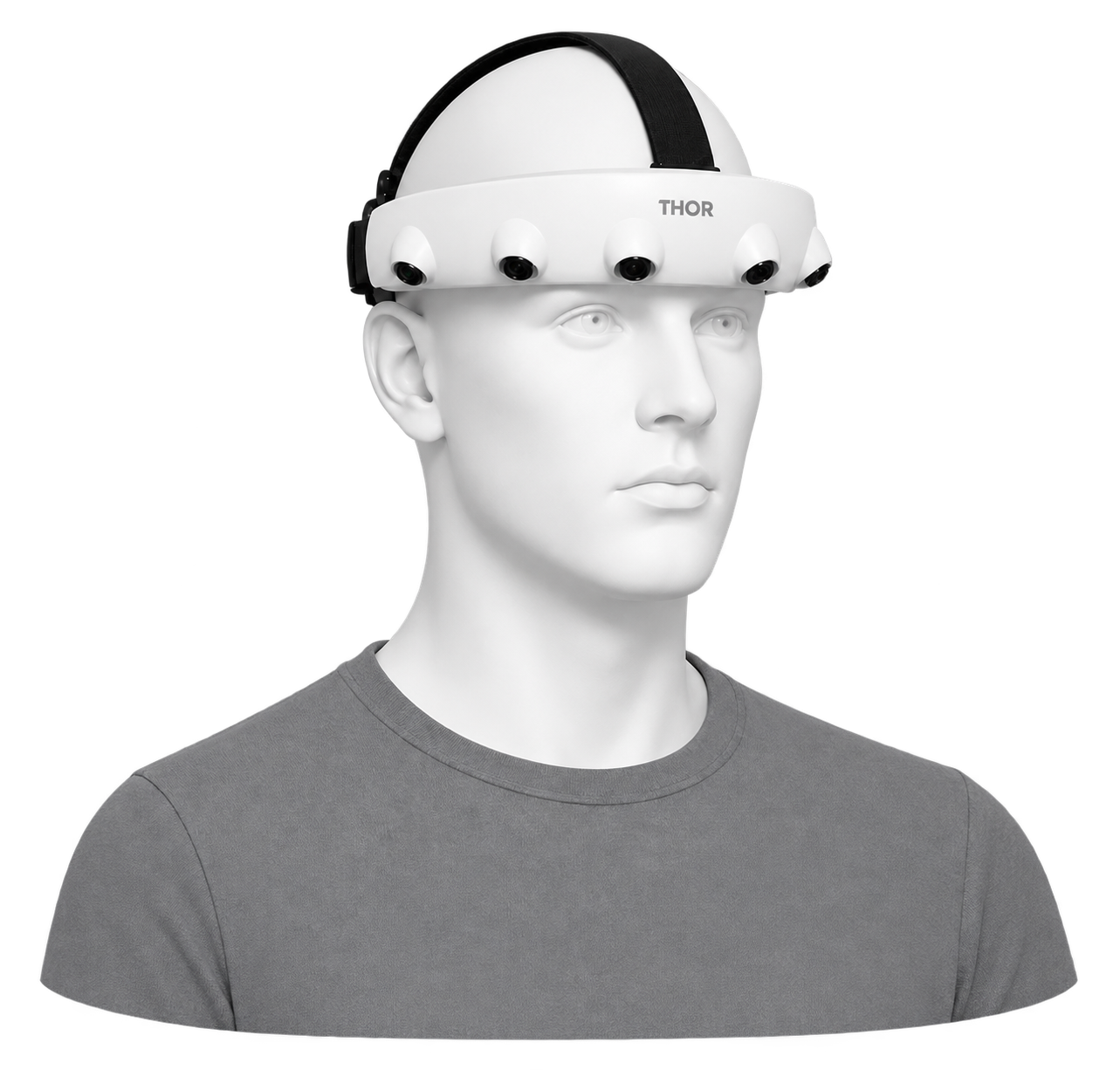
Six-camera visual-inertial capture
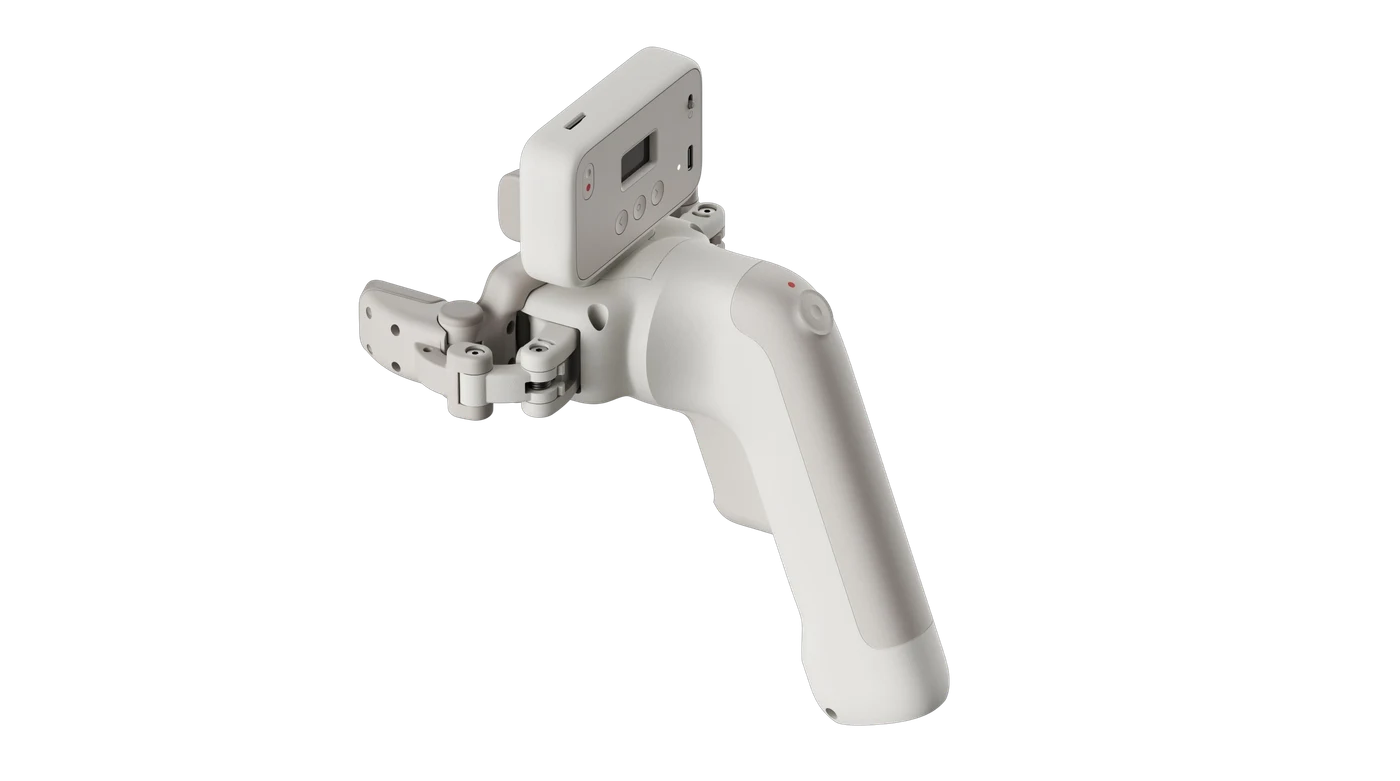
Capture / Specification-based configuration
Handheld manipulation demonstrations
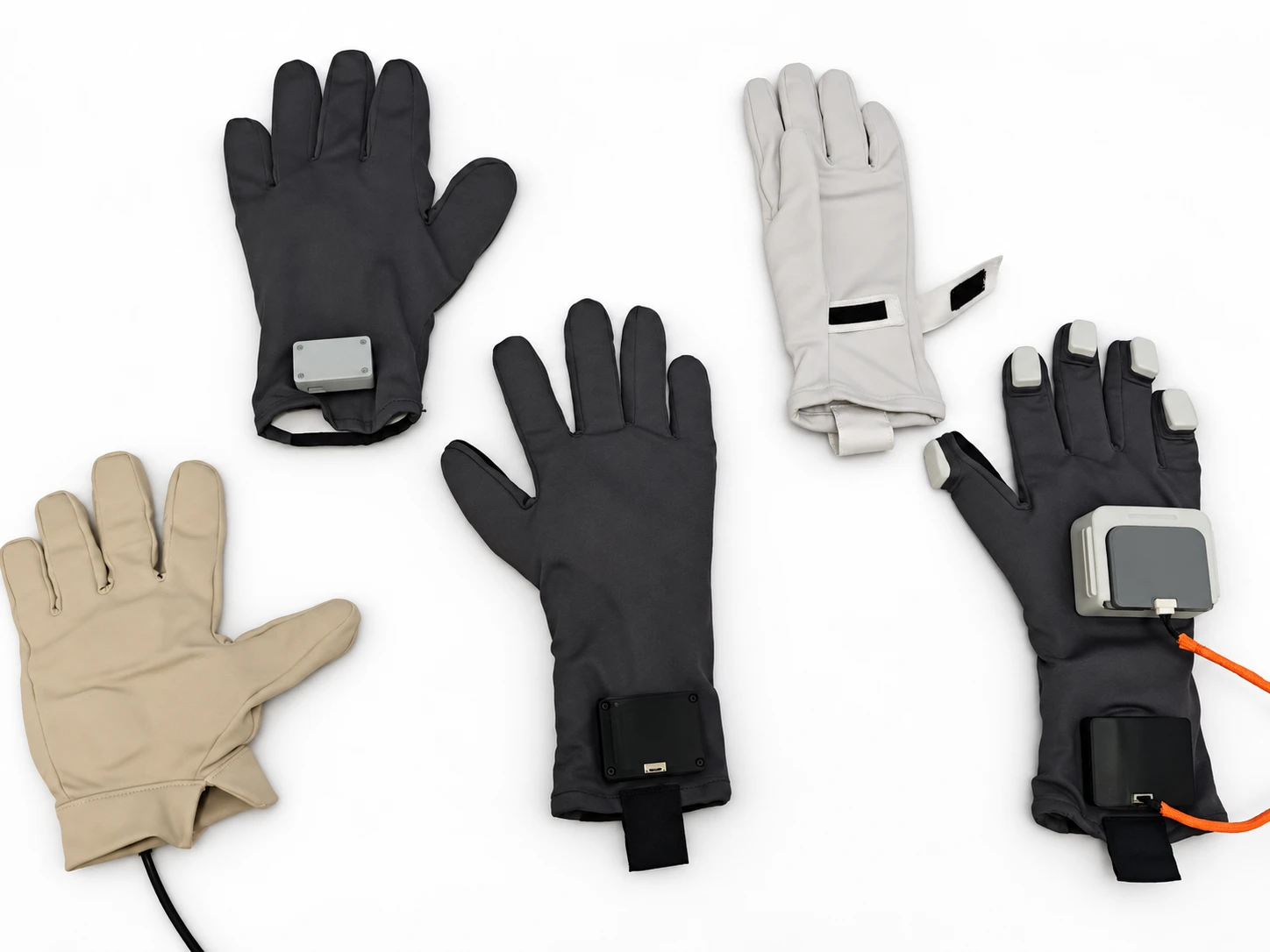
Capture / Specification-based configuration
Contact sensing and electromagnetic tracking
Capture / Research validation
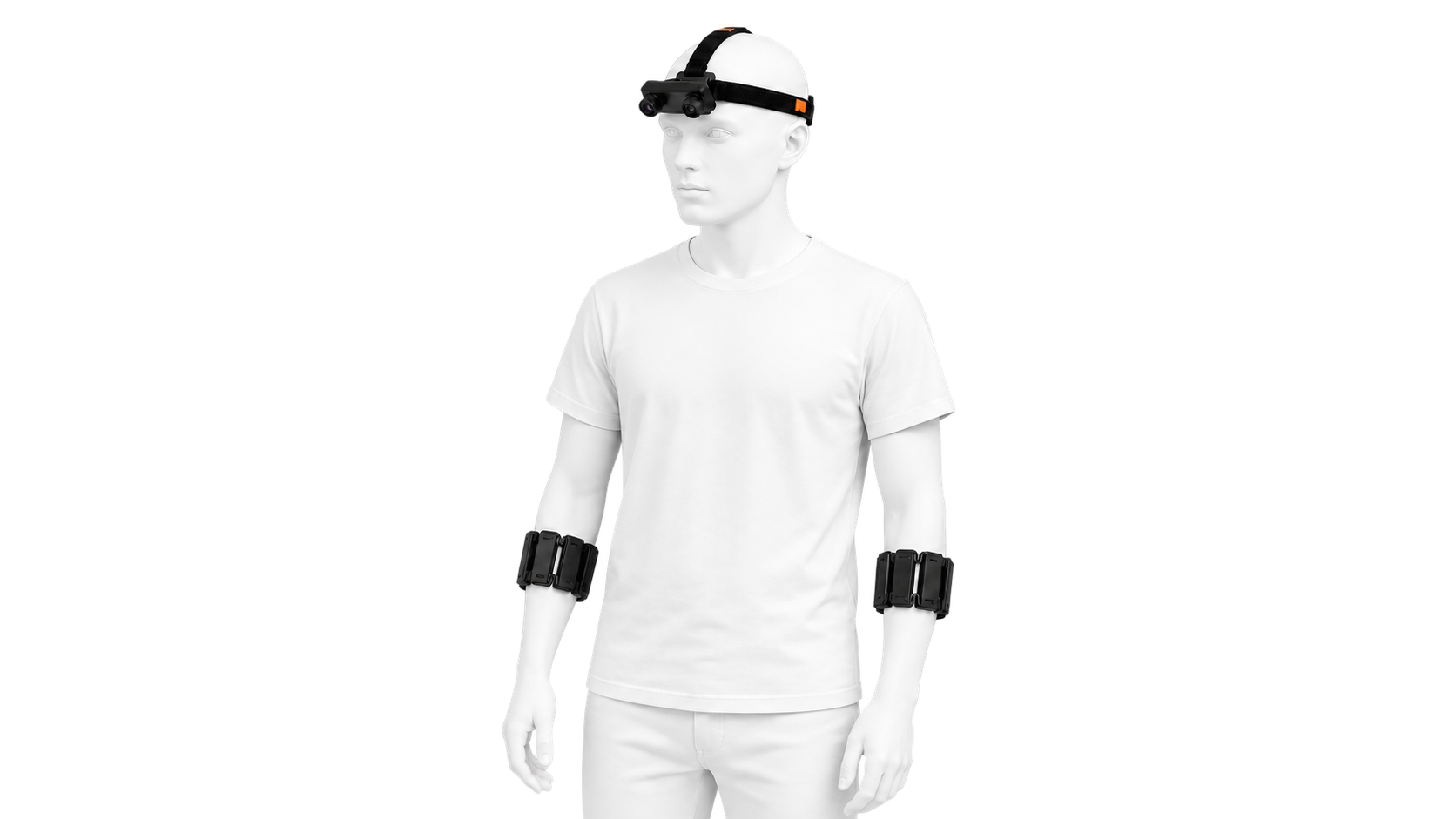
Forearm sensing for multimodal research
Human-side observations are not robot action labels. Trajectory estimation, force mapping and transfer between embodiments require additional calibration and validation.
Explore collection management, quality review and dataset delivery.
Data Platform →Build with Actrium
Define the devices, data and evaluation your project needs.